
Confronting the Climate Crisis: Challenges and Solutions
Explore the pressing issues of climate change mitigation and adaptation, and discover the pathways to a sustainable future.
Understanding Climate Challenges
The Urgent Need for Action
Climate change presents a myriad of challenges that require immediate and sustained attention. From the transition to renewable energy to the development of carbon capture technologies, the path to mitigating global warming is fraught with obstacles. Additionally, adapting to the impacts of climate change, such as extreme weather events and rising sea levels, demands innovative solutions and international cooperation. Vulnerable populations face disproportionate risks, necessitating equitable and resilient strategies. Addressing these challenges is crucial for safeguarding our planet’s future.
The Energy Transition Imperative
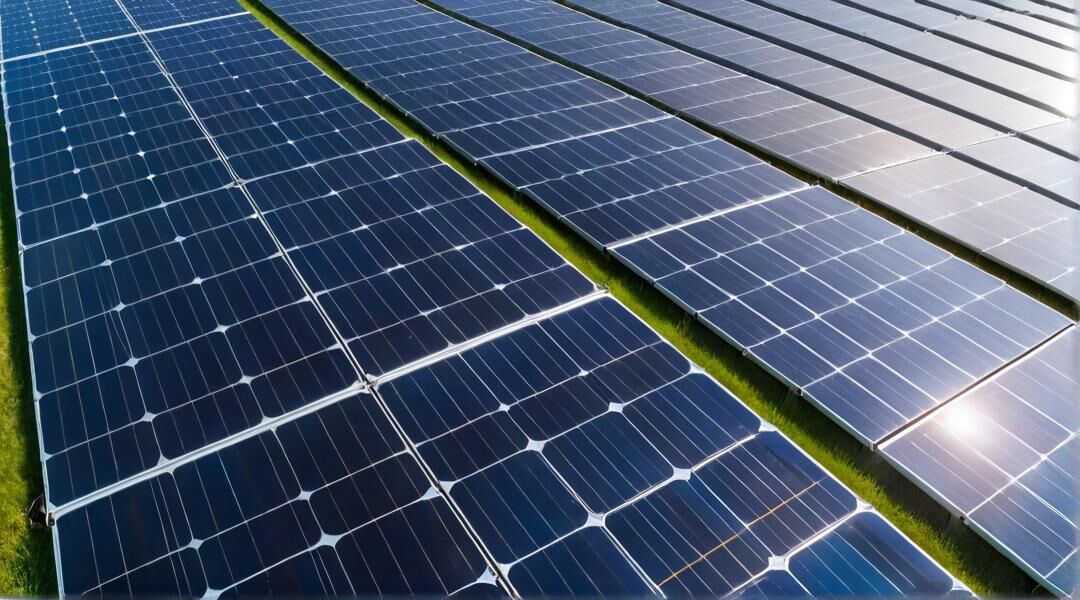
The shift from fossil fuels to clean energy sources is a cornerstone of climate change mitigation. Solar, wind, and nuclear energy offer sustainable alternatives, but their widespread adoption requires substantial investment and technological innovation. Overcoming the economic and infrastructural barriers is essential to accelerate this transition. By embracing renewable energy, we can reduce greenhouse gas emissions, create green jobs, and pave the way for a sustainable energy future.
Advancing Clean Energy Solutions
As the world grapples with the effects of climate change, the need for a comprehensive energy transition becomes increasingly urgent. Investing in renewable energy infrastructure, enhancing energy efficiency, and fostering technological advancements are critical steps toward a low-carbon economy. Collaborative efforts between governments, industries, and communities are essential to drive this transformation and ensure a resilient energy system for generations to come.

Understanding Carbon Capture and Storage
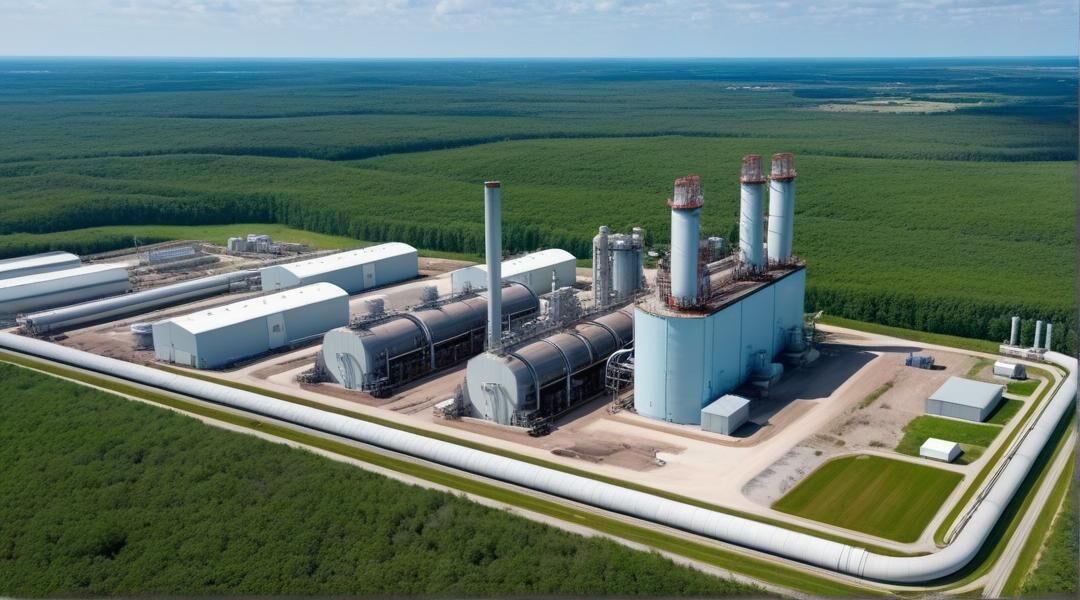
Carbon Capture and Storage (CCS) is a crucial technology in the fight against climate change, aimed at capturing carbon dioxide emissions from sources like power plants and storing it underground to prevent it from entering the atmosphere. This process involves three main steps: capturing the CO2, transporting it to a storage site, and injecting it deep underground into geological formations. Despite its potential, CCS faces significant challenges, including high costs, the need for extensive infrastructure, and regulatory hurdles. Developing efficient and cost-effective CCS technologies is essential for reducing industrial emissions and achieving global climate goals.
The Impact of Extreme Weather Events
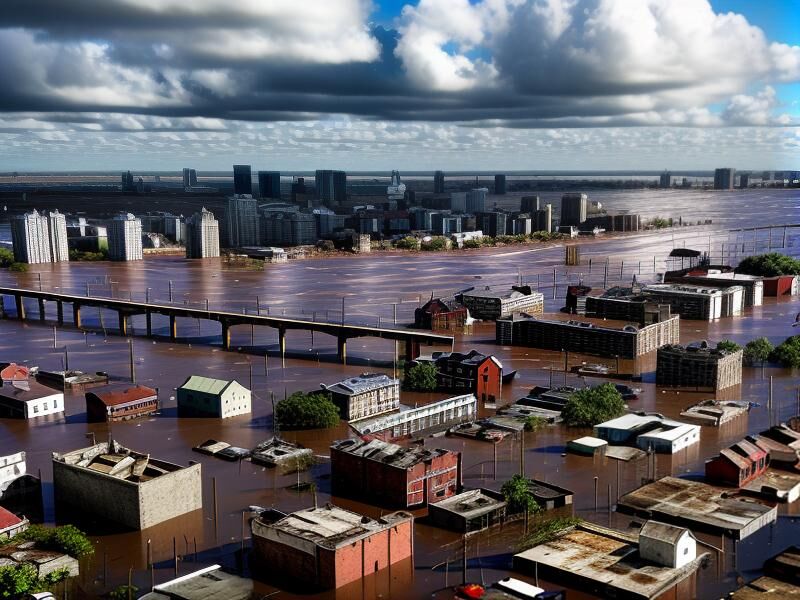
Extreme weather events, such as hurricanes, floods, and heatwaves, are becoming more frequent and severe due to climate change. These events pose significant risks to infrastructure, economies, and human lives. To mitigate their impact, it is crucial to invest in resilient infrastructure and enhance disaster preparedness. This includes improving early warning systems, strengthening buildings and transportation networks, and developing comprehensive emergency response plans. By prioritizing these measures, we can better protect vulnerable communities and reduce the devastating effects of extreme weather events.
Join Us in Combating Climate Change
At Global Warming Summit, we believe that collective action is key to addressing the challenges of climate change. We invite you to join our community and take part in initiatives aimed at mitigating and adapting to climate impacts. Whether it’s participating in local projects, advocating for policy changes, or spreading awareness, your involvement can make a significant difference. Together, we can create a sustainable future for generations to come. Click the button below to learn more about how you can contribute to our mission.